By Miles Layton
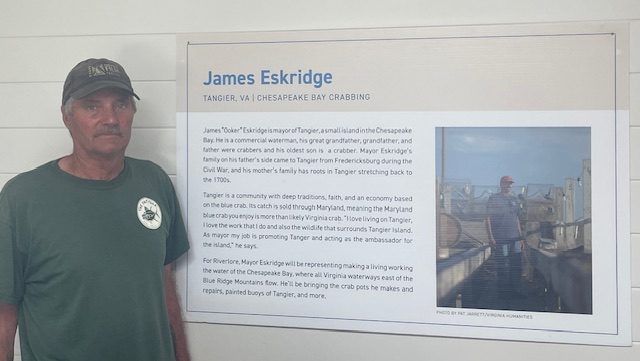
James “Ooker” Eskridge has shipped soft crabs and eels to New York City for most of his working life. But until about three weeks ago, he had never set foot in the place.
“I’ve shipped a lot of seafood there,” said Eskridge, who’s pretty spry for a man in his 60s, the mayor of Tangier Island, Virginia, who has crabbed and fished the Chesapeake Bay since he was old enough to haul a pot.
“I don’t dare drive in New York, but it was nice. Met some nice people. It was quite an experience to be walking around New York City and then see that they’re showing a film about Tangier.”
The film is Been Here Stay Here, a documentary by director and producer David Usui that follows the roughly 400 souls of this remote, devoutly Christian watermen’s community nestled in the heart of the Chesapeake Bay — a community that has spent decades watching its shorelines shrink while waiting for state and federal help that has been slow in coming. Click here to see the trailer for the movie — an excellent movie!
I sat down with Ooker this week at Town Hall to talk about New York, the movie and all the developments that have been taking place in Tangier — optimism for the future.
A gallery of photos featuring Tangier appears at the end of this story. Editors, if you publish this story or elements of it, please credit to the Town of Tangier’s official website — tangiervirginia.org
Back to our story — faith is not incidental to life on Tangier. It is the foundation. Two churches anchor the island’s social and spiritual life — Swain Memorial United Methodist Church and New Testament Congregation — and Sunday worship is not optional so much as it is simply what one does. Eskridge, who lists his priorities as “God, family, community, and government — in that order,” embodies that ethos as naturally as he reads the tides.
Eskridge traveled to New York for the film’s premiere screenings at a small theater — capacity somewhere around 100 — where it ran for a week, then kept running. Audience response was strong enough that organizers extended the run by an additional week, adding screenings until some days featured four showings.
“They were going to show it for a week. I think there were actually twenty-three screenings, and the response was so good that they extended it,” Eskridge said. “That was very encouraging.”
At two of the screenings, Eskridge and Usui joined a panel that included professors from Yale University, taking questions from audiences that ranged from people well familiar with Tangier’s plight to others who had never heard of the place.
“They were very interested in helping,” Eskridge said of the Yale professors. “Even people from the audience — some had heard about Tangier, but some had never heard of it and were very interested in the culture and the fishing, and just small town life. Some of them had experienced that growing up but then had moved to the city. A lot of them said they were definitely coming to visit.”
What the Movie Gets Right
For a community that has endured its share of media attention — some of it reductive, some of it focused almost entirely on climate change statistics at the expense of the people who actually live there — Been Here Stay Here lands differently. To read about the movie’s premiere on Tangier, click here.
Usui’s approach was deliberate: no formal sit-down interviews, no rehearsed talking points. He simply embedded himself in the community and filmed life as it happened. The result is a documentary that captures what so many other productions miss.
“A lot of folks have done stories on Tangier,” Eskridge said. “They leave the religious aspect out of it, and that’s a big part of the community. The two churches play a vital role. To do a story about Tangier and not bring the churches and religious aspect into it, you are leaving an important part out. And he put it all in there.”
The film opens with Eskridge on the water, making bird calls — a quiet, unhurried declaration of how close to nature life on Tangier truly is. Throughout, he appears not as a subject being interviewed but as himself: a waterman, a mayor, a man of faith who sees God’s design in every sunrise and cloud formation over the bay.
“He just let people do their thing, live their lives, and he was just filming it,” Eskridge said. “What you saw is what you got. That’s how it is.”
The film also gives prominent voice to Cameron Evans, 25, a native son who was attending Virginia Wesleyan University during filming, and to 10-year-old Jacob Parks, who represents Tangier’s future — working crab pots solo in a tiny skiff, trick-or-treating on Halloween, and building a small seawall on the beach out of an abandoned skiff, wooden sticks, and packed sand collected in plastic buckets. It is one of the film’s most quietly powerful images.
Faith runs through every frame. Scripture is read aloud by various voices throughout, including Duane Crockett, a man whose belief is evident in every passage he delivers. Church scenes capture elderly congregants like Yvonne Smith worshipping at Swain Memorial Methodist Church. In one sermon, a visiting pastor voices what many on the island have quietly wondered as shorelines shrink and government help remains distant: “Are you still awake, God?” — before recognizing, as islanders long have, that God works on His own time. The film intersperses its footage with Scripture passages — among them the parable of building one’s house on rock rather than sand — that serve both as spiritual grounding and as a pointed challenge to those watching from the mainland: you cannot say you did not know.
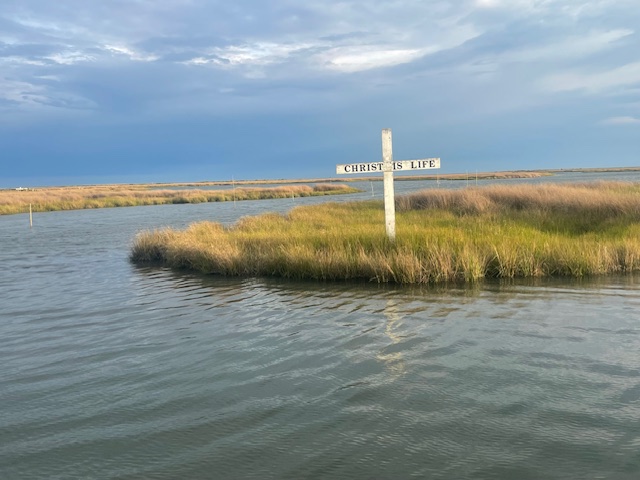
A wooden Christian cross appears early in the film; toward the end, it has fallen. Without a word of explanation, Eskridge steps off his boat at dawn onto the stone jetty and re-erects it against a peaceful sky. It is the film’s most indelible image: a man of faith, in the place he loves, quietly doing what needs to be done.
“I’ve heard a lot of people mention it,” Eskridge said of the film’s reception. “They love the approach that he (filmaker David Usui) took — just let people be themselves, and he was there filming it. You were just there, being part of the community.”
The film is scheduled to begin streaming in August, a development Eskridge believes will significantly broaden its reach. It is also showing again this month in Onancock on the Eastern Shore for a couple of nights, and in Chincoteague — a return engagement driven by demand. In Onancock last year, the film was extended by a week due to turnout.
A Mayor Who Grew Into the Role
Eskridge has been mayor of Tangier for 20 years, a tenure that has transformed a self-described shy man into one of the most recognizable voices in the ongoing conversation about coastal erosion, sea-level change, and the future of the Chesapeake Bay’s last remaining watermen’s island.
He has spoken with French journalists, welcomed German film crews, and taken phone calls from sitting presidents. Journalists from 48 or 49 countries have visited the island, he says, though he has lost precise count.
In 2017, after a CNN broadcast captured both Tangier’s vulnerability and its overwhelming support for Donald Trump, someone on the president’s staff flagged the story.
“I was crabbing on a Monday morning, beautiful day, crabs were good,” Eskridge recalled. “My son comes to me in his boat and says, ‘Dad, you got to go home. The president’s going to call you.’ I said, ‘President of what?'”
It was, in fact, Donald Trump. Eskridge went home, sat in his kitchen with a cup of coffee, and took the call.
“The whole time I am talking to him, I was just trying to come to grips with that — President Trump is on the other line, and I am sitting here in the kitchen talking to the president of the United States,” he said. “He was very down to earth, very easy to talk to. He thanked us for all the support he received here and talked about infrastructure projects — said they drag things out too long, cost goes up, a lot of times the project never happens because it’s been drug out so long.”
The conversation had real consequences. Shortly after, Eskridge was invited to Washington, where he met with the Secretary of the Interior and the head of Fish and Wildlife. Officials flew to the island by seaplane, circled the shoreline, and within a year and a half a long-stalled seawall project on the west side of the island — one that had languished in bureaucratic limbo for roughly 18 years — was underway.
“Things really took off after that phone call,” he said.
Eskridge did not set out to become an ambassador. He was, by his own admission, deeply shy when he first took office.
“When I became mayor, I found out really quick: either had to not be mayor or come out of my shell,” he said. “Now I always tell people: I can talk with anybody. I don’t like giving a speech at a podium — I hate that. But talking with somebody one-on-one or even a group, I am fine.”
Grounds for Optimism
The past few weeks have brought a confluence of encouraging developments that, taken together, suggest the tide may be turning — not in the literal, threatening way the bay’s tides have long menaced Tangier’s low-lying shores, but in the metaphorical sense of momentum.
Earlier this week, a meeting on the island drew representatives from the Army Corps of Engineers, the Chesapeake Bay Foundation, Senator Mark Warner’s office, Senator Tim Kaine’s office, the Virginia Institute of Marine Science, College of William and Mary, and more. The newly appointed commissioner of the Virginia Marine Resources Commission, Joe Grist, made the trip himself.
“It’s very encouraging to see that many people meet together about Tangier,” Eskridge said. “Mr. Grist wants to come back this summer with some of the board members and meet with the watermen, talk about different topics. I think it was a very productive meeting.”
On a more immediate and practical level, the Army Corps of Engineers dredge arrived in Tangier’s channel just this week, beginning work to deepen the navigational channel — a project that will allow the Crisfield, Maryland tour boat to resume bringing visitors to the island, and will solve the persistent problem of the mail boat, Tangier’s lifeline to the mainland, bumping bottom at low tide.
The dredged material is being deposited on the school ball field, which will be built up to prevent flooding during abnormal tides. Later, dredge material from a creek on the Eastern Shore is expected to be barged over to replenish the beach at the south end of the island’s runway, which took a beating this past winter.
The fuel dock — vital infrastructure for an island with no car ferry and no road connection to anywhere — is nearing completion of long-needed upgrades, with work expected to finish by August.
“Things are really moving along,” Eskridge said. “I tell our citizens: don’t lose hope. If you lose hope, then it’s terrible. Things will work out. Just got to hang in there.”
He makes the case for Tangier’s preservation with a clarity he has honed over two decades.
“The erosion problem is like having a blocked artery,” he said. “Sea-level rise is like having arthritis. You address the major thing first, then you deal with the other.”
The comparison he returns to most often involves nearby Poplar Island in Maryland, where the state has spent not millions but billions of dollars to restore an uninhabited island as a wildlife habitat and a spoil site for Baltimore Harbor.
“I am all for protecting the birds and getting a habitat for them,” Eskridge said, “but we’ve got a working waterman’s community here with people. We need that same protection.”
He pauses, then adds: “Tangier is very savable now. And it’s a lot of money to us, but to the government, it’s just pocket change.”
Home
For all the miles Eskridge has logged in the cause of saving his island — Washington DC, Richmond, New York, and beyond — there is no mistaking where he belongs.
“I was glad to get back home,” he said of the New York trip. “It’s good to visit, but I don’t think I could live that lifestyle.”
Tangier is a place where children bike freely and visitors’ parents marvel that they don’t have to worry. It is a place where everyone knows everyone — and everyone’s business, “which is not always good,” he notes with a grin. It is a place where Eskridge still stops work to photograph a cloud formation, where he prays while he crabs, where he finds in the bay around him daily confirmation of his faith.
“I pray a lot when I’m crabbing,” he said simply. “You just see God’s creation.”
That sense of the divine woven into the ordinary is not unique to Eskridge — it is the texture of Tangier itself. On an island where the church bulletin and the watermen’s forecast hold equal weight, faith is not something one practices in a pew and leaves behind. It shapes how people treat each other, how they raise their children, how they face an uncertain future. Eskridge sees it in the wildlife as much as the worship.
“When you see the beauty of it and the design of the animals and even people, you can see that there had to be a designer,” he said. “It’s just too intricate, too complex. Those things had to have a design. It’s like looking at a painting — you don’t look at that painting and say, ‘It’s beautiful, it just came together on its own.’ There has to be a painter.”
That faith, he suggests, is precisely what sustains an island community that has every practical reason to despair but refuses to. The film captures a sermon that offered a rallying cry as apt for Tangier’s earthly struggle as for any spiritual battle: “Be like David — he sees the giant but he sees God more.”
When people suggest that Tangier’s residents simply give up and move to the mainland, Eskridge has a ready answer.
“It’s like Dorothy said in The Wizard of Oz: ‘There’s no place like home.'”
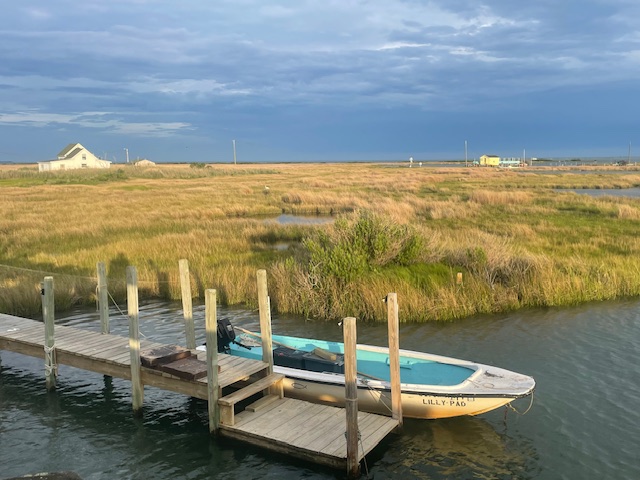
When he talks about saving Tangier, he is clear that he is not talking only about a small piece of wetland and high ground sitting four feet above sea level.
“I’m talking about saving a culture, a way of life, the whole package,” he said. “We’ve been out here for hundreds of years, and we’d like to remain.”
Been Here Stay Here begins streaming in August — more about how to stream that will appear in a future story.
Gallery
Click on image to make it larger
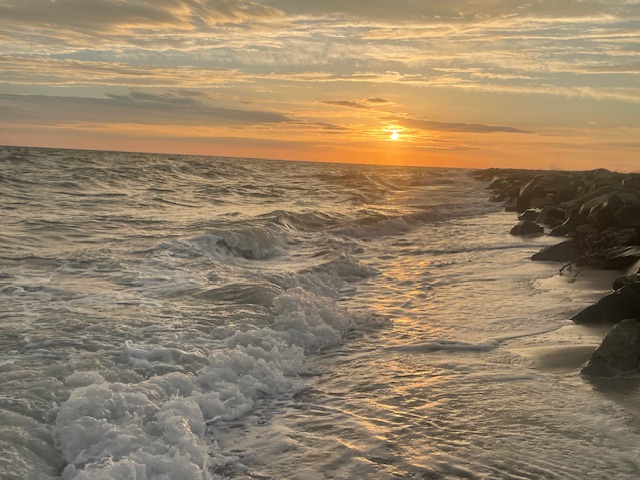
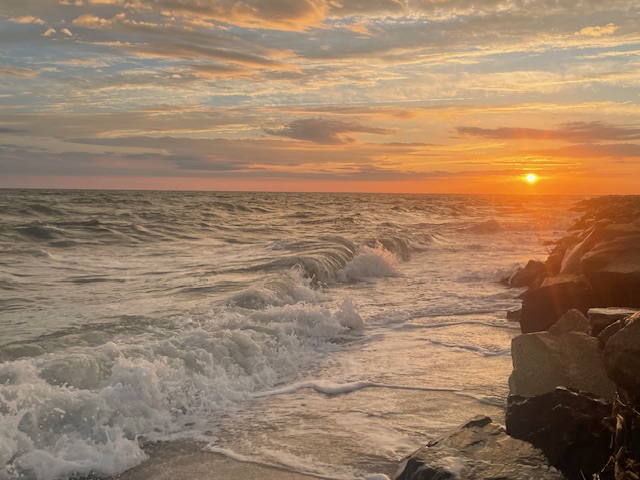
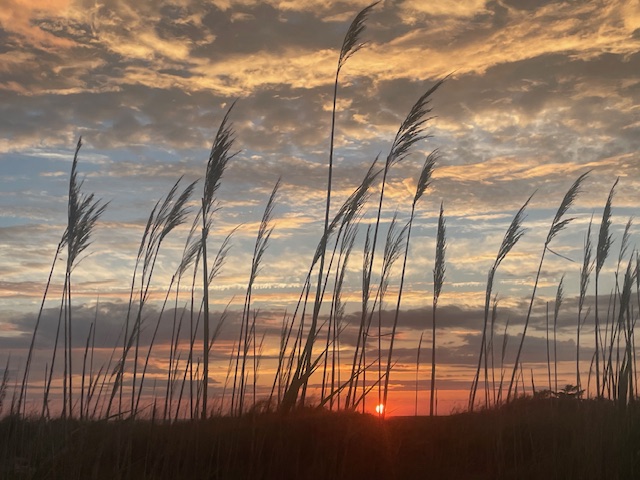
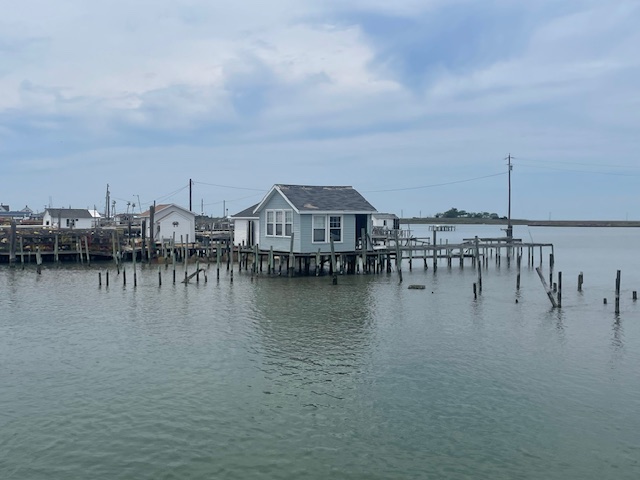
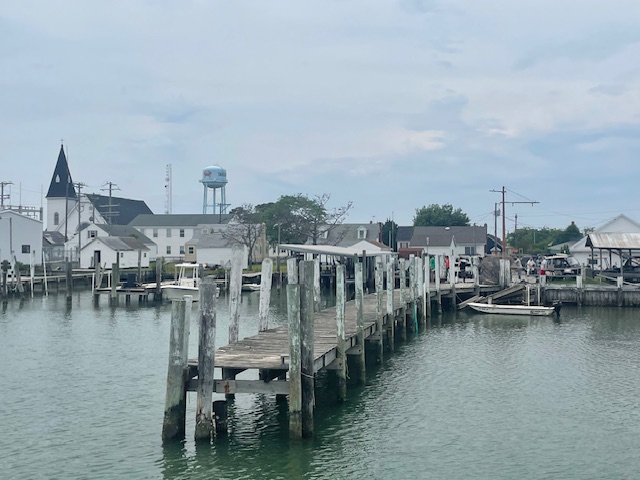
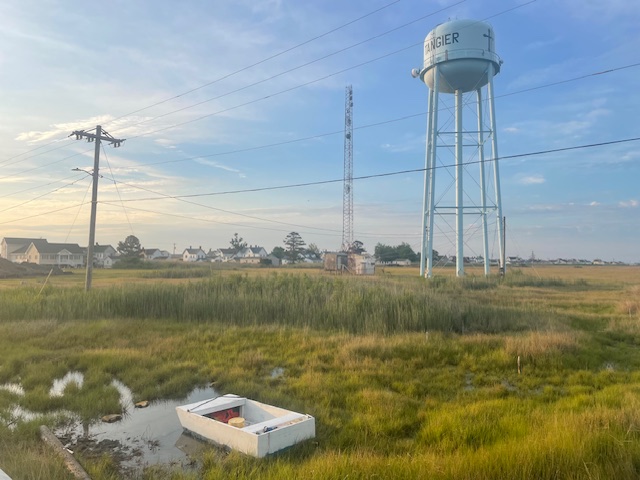
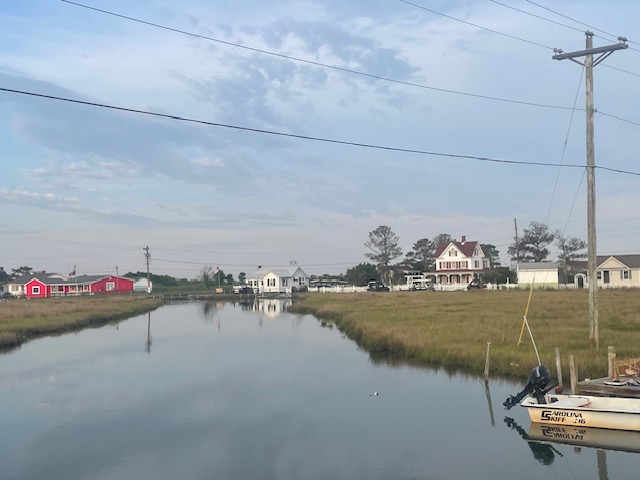
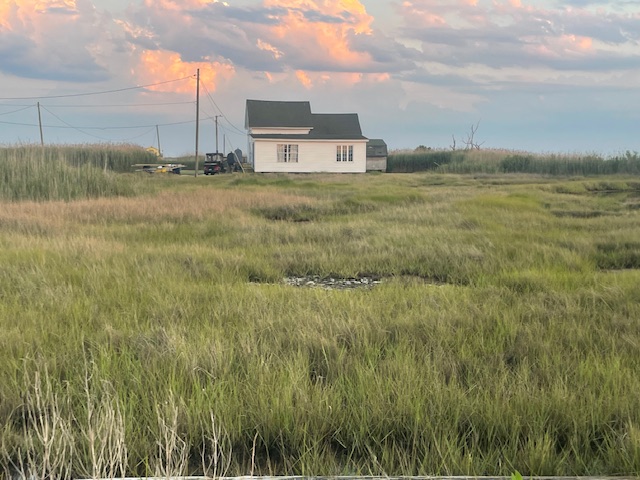
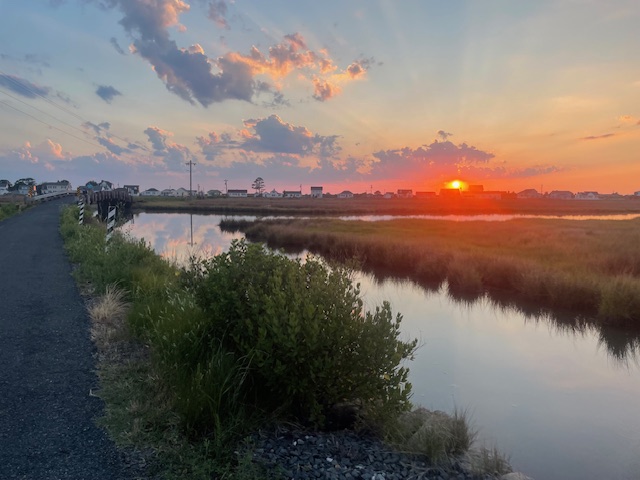
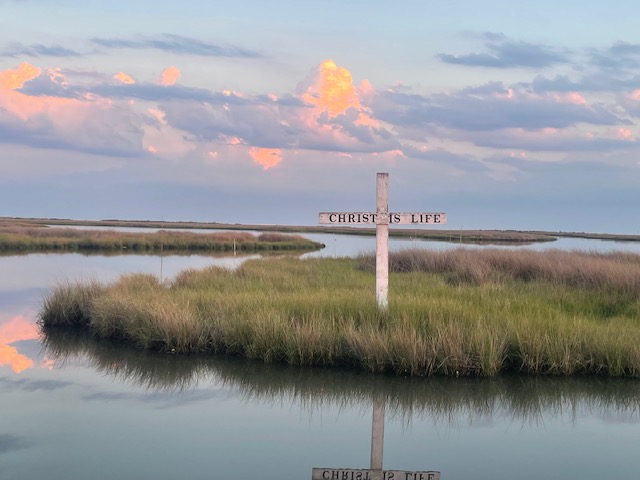
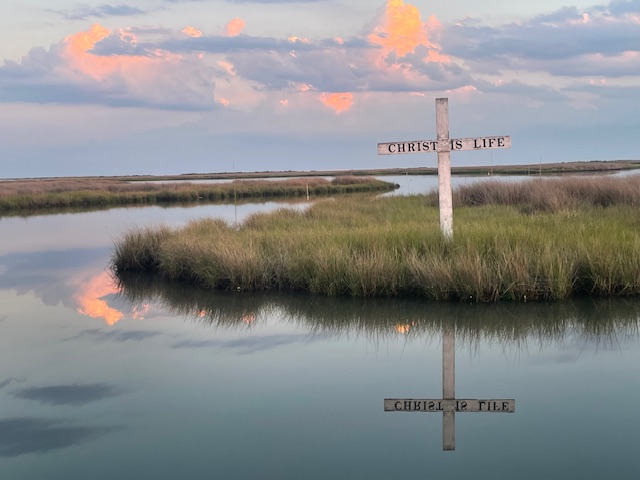
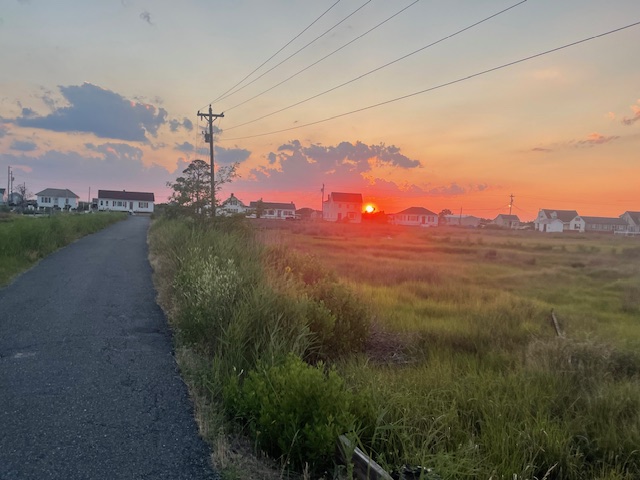

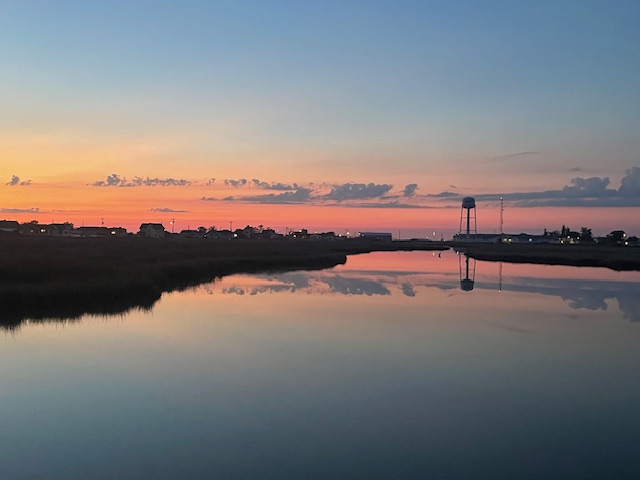
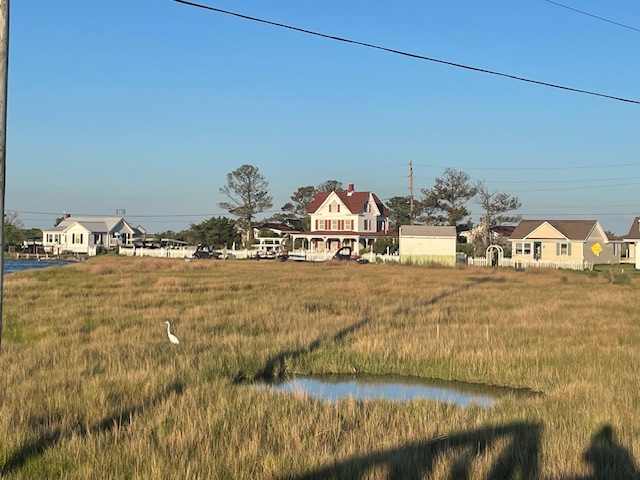
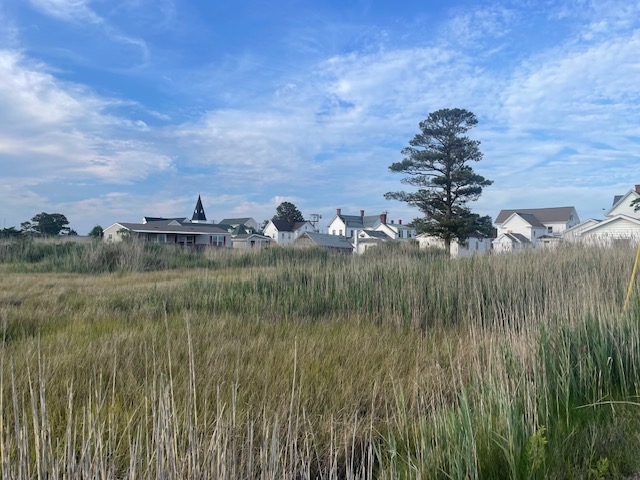
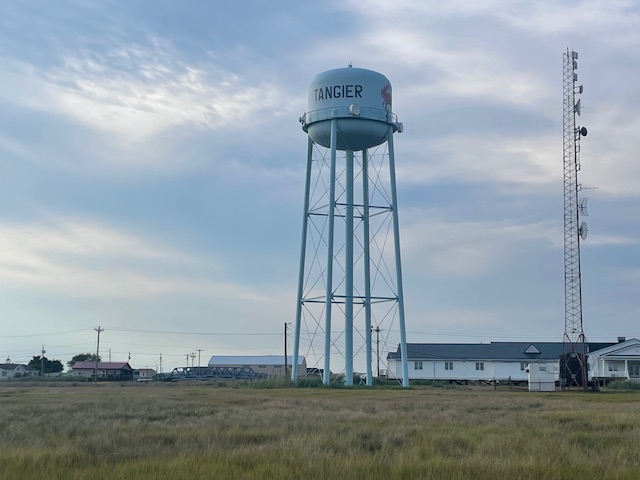
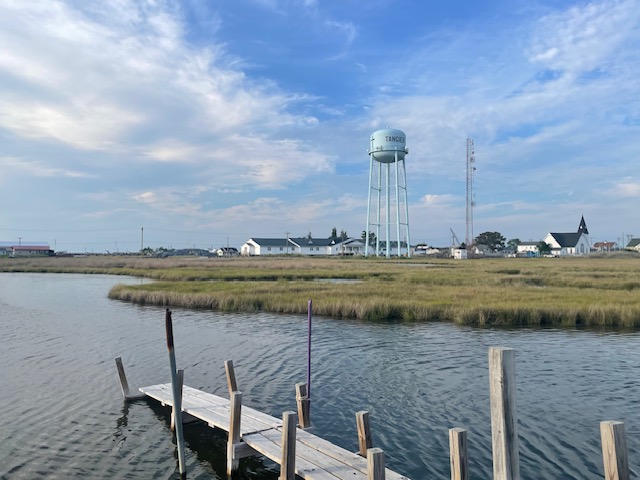
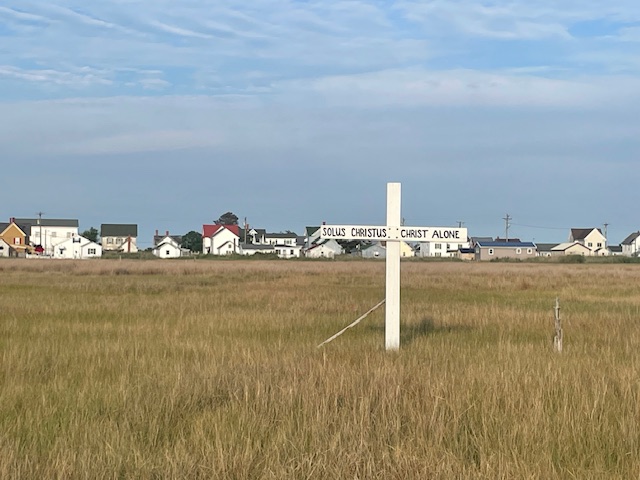
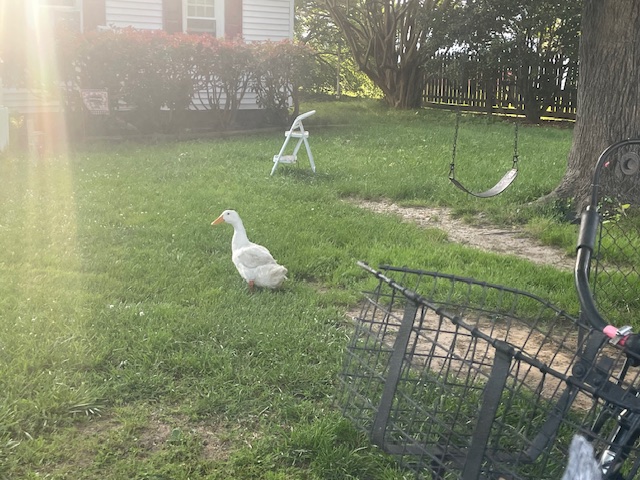
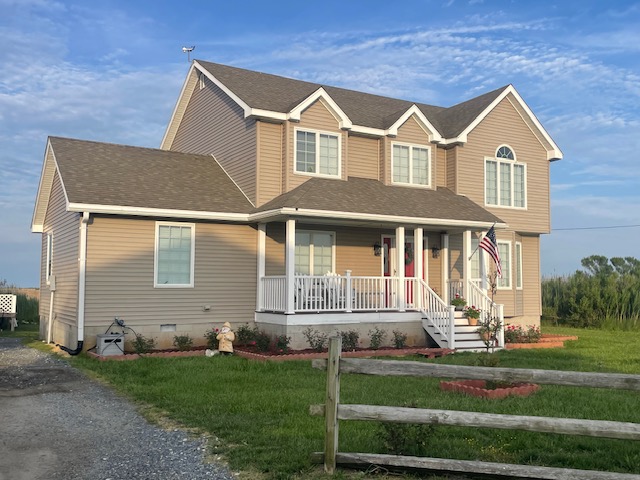
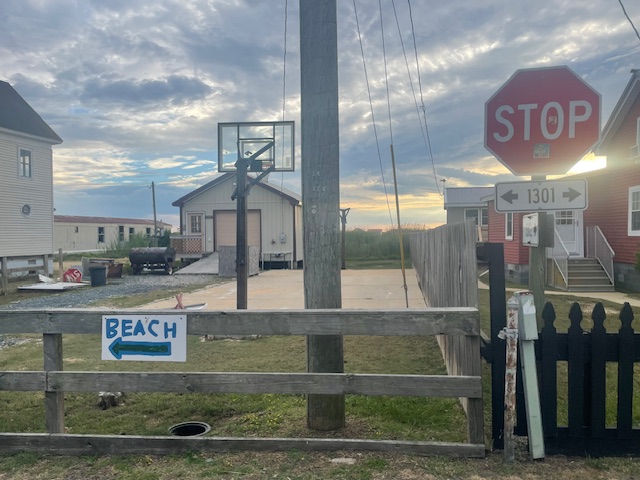
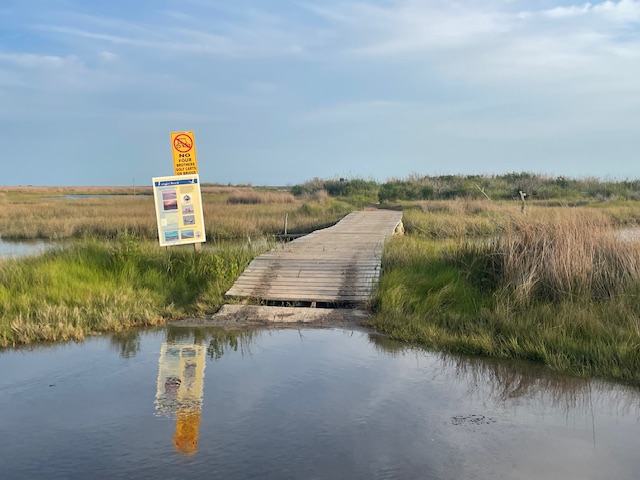
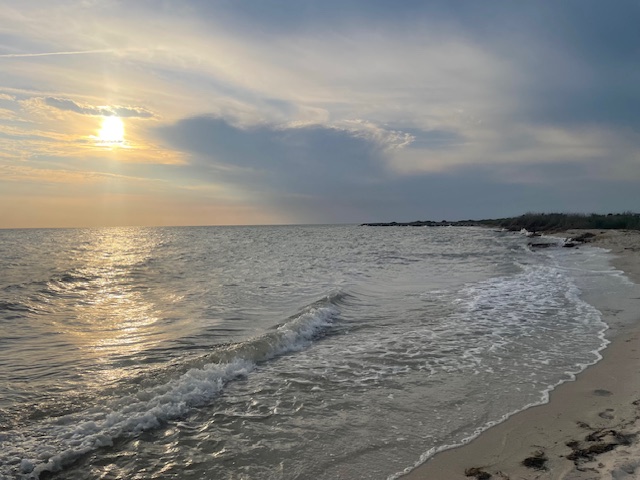

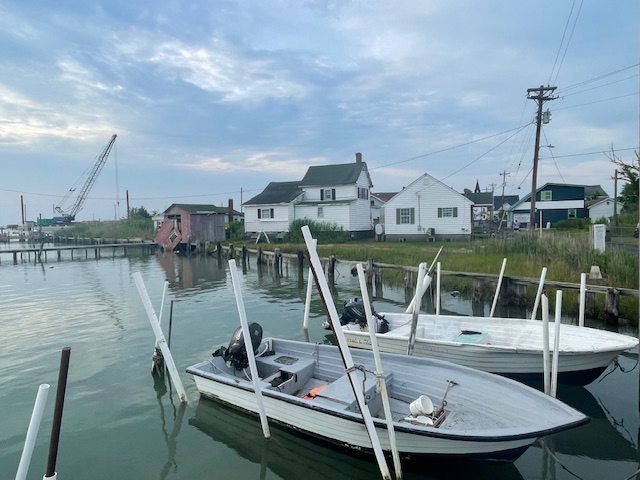
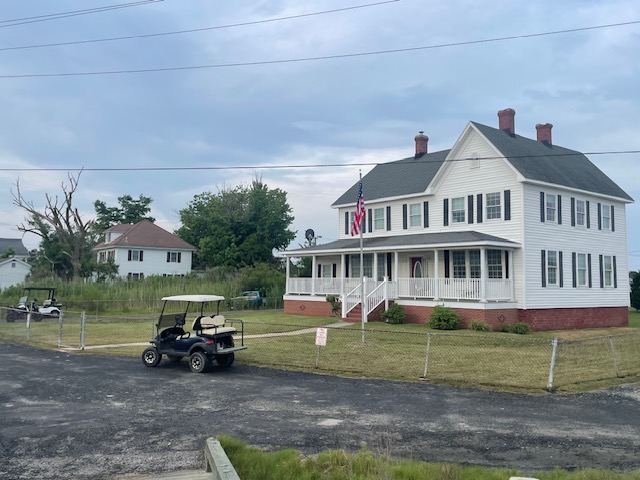
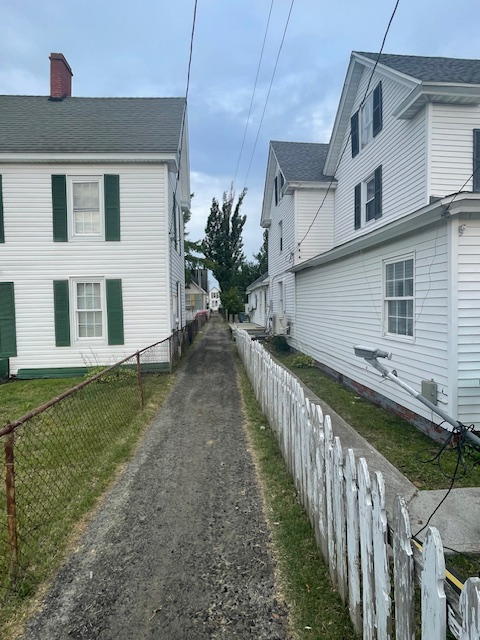
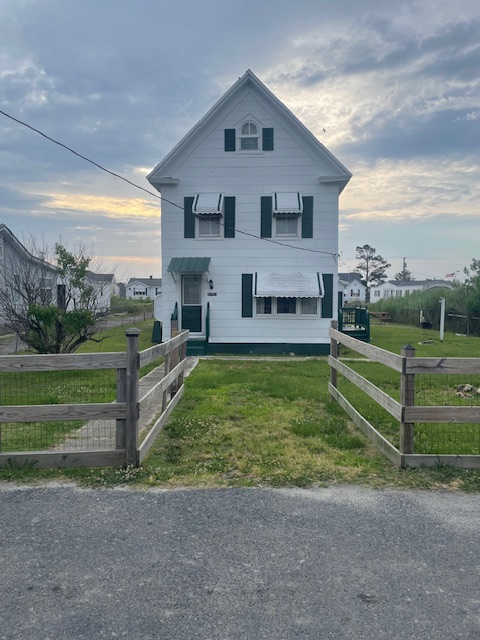
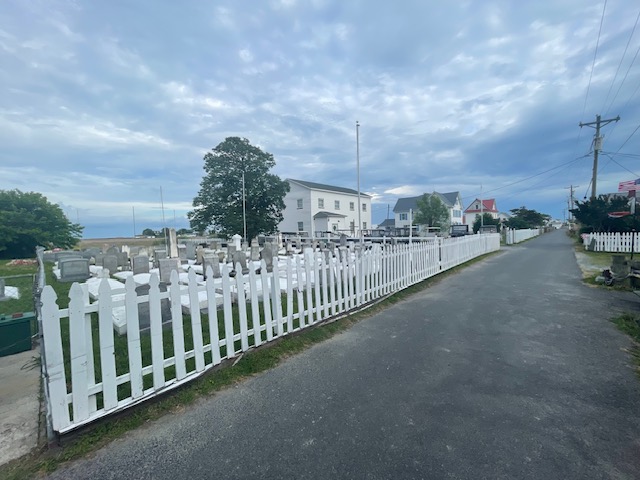
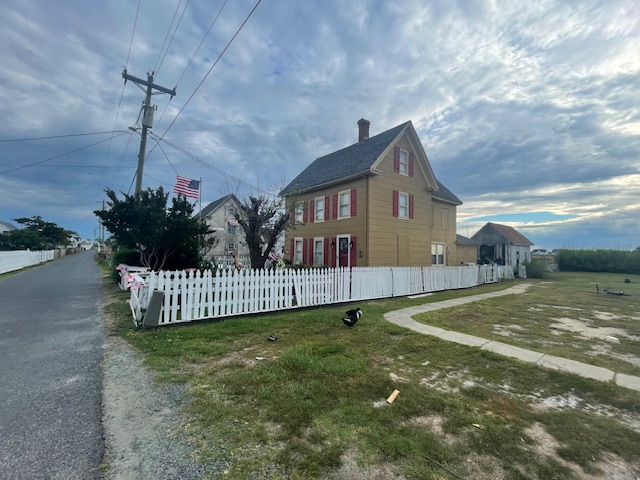
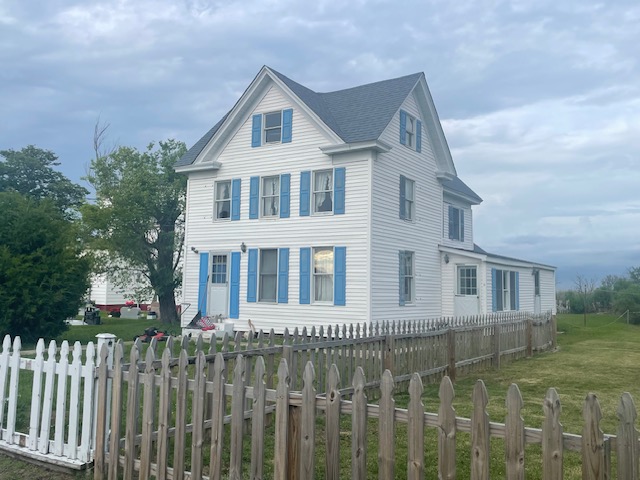
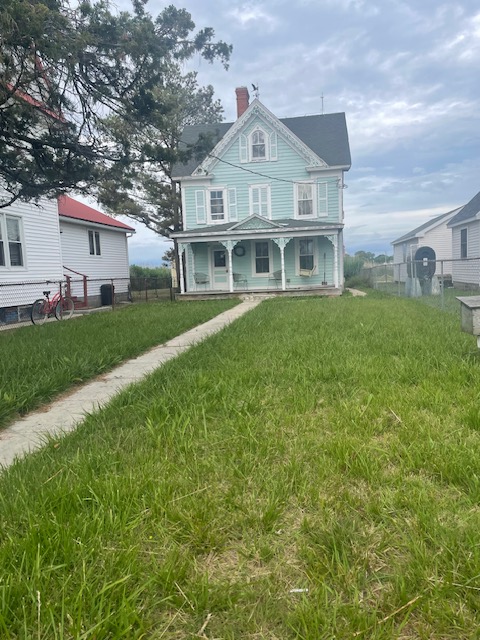
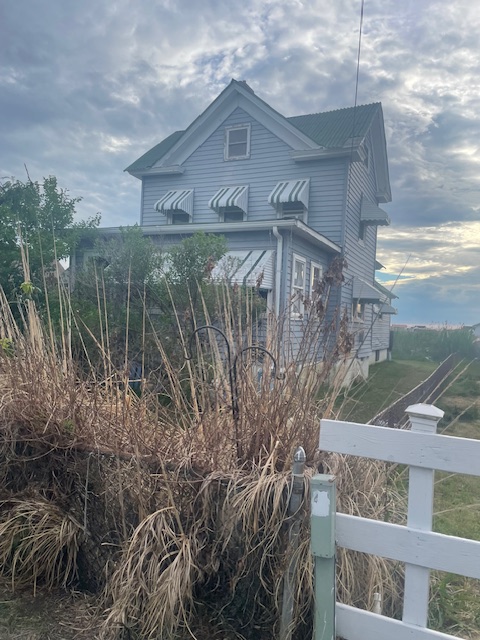
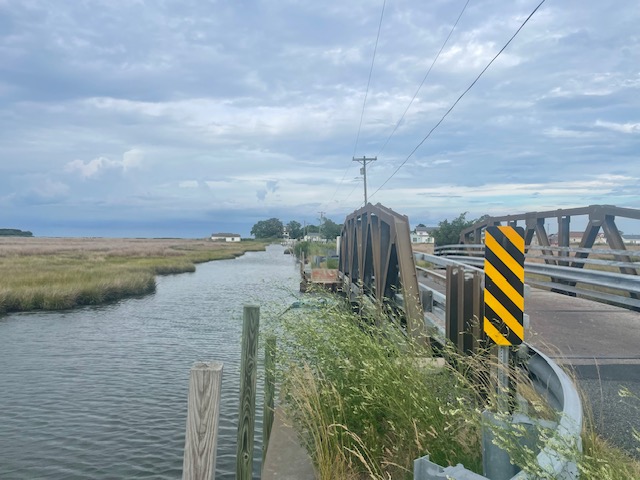
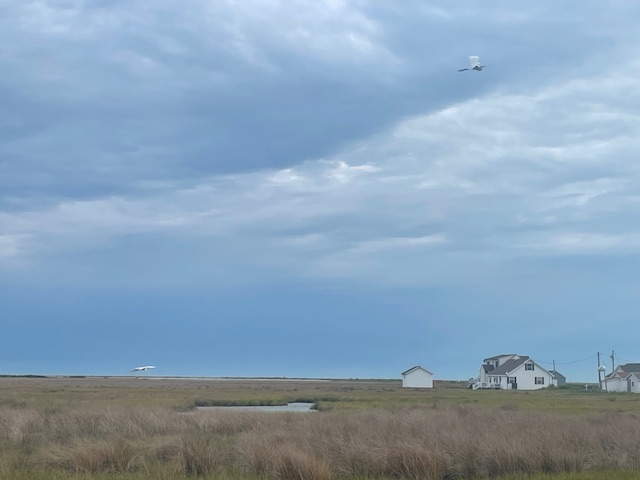
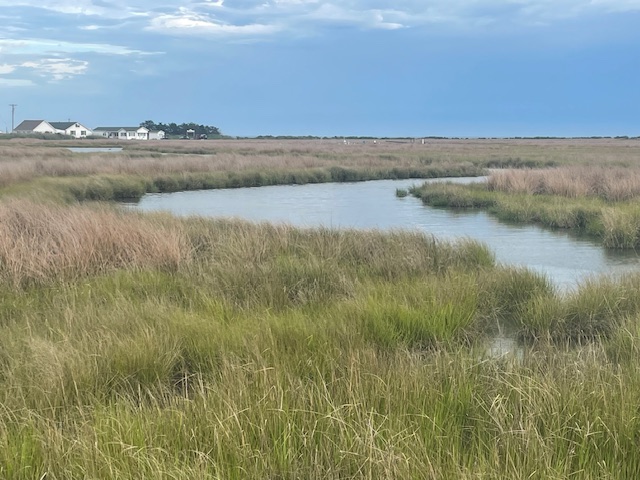
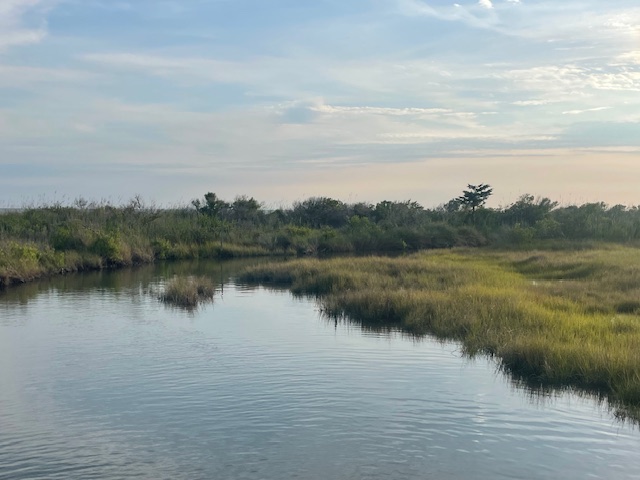
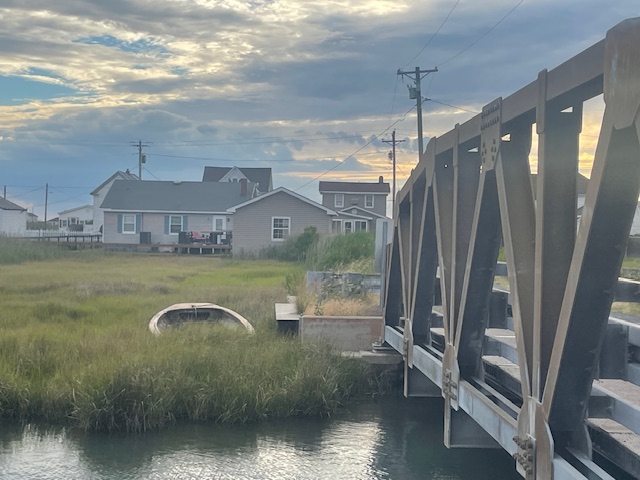
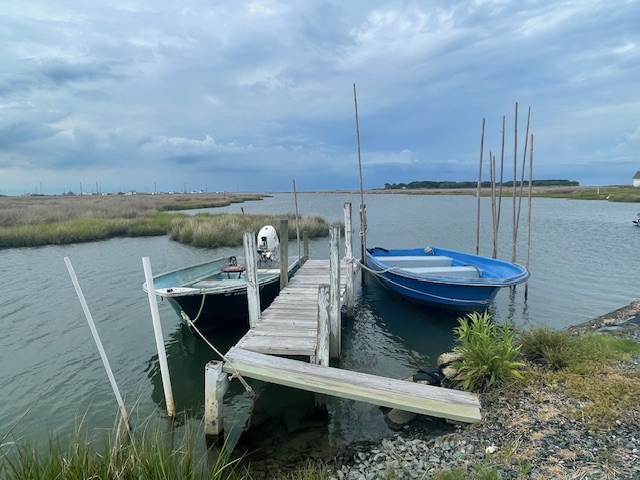
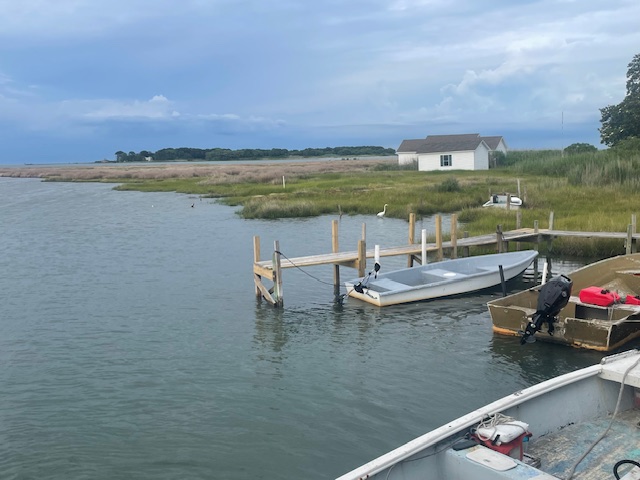
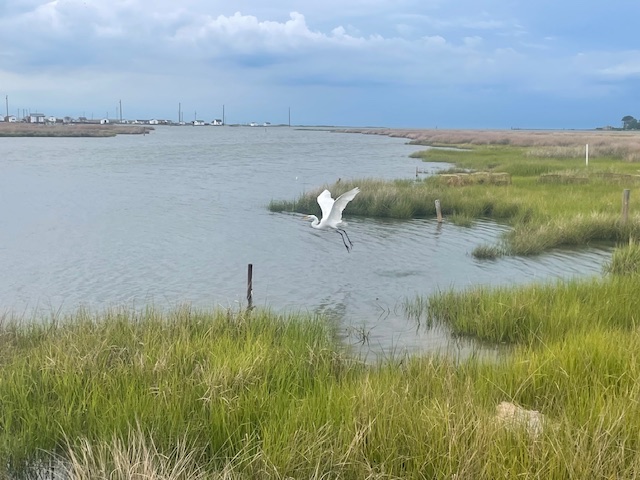
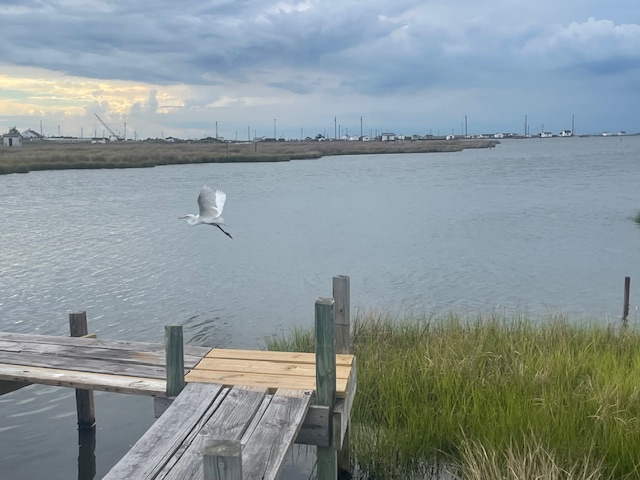
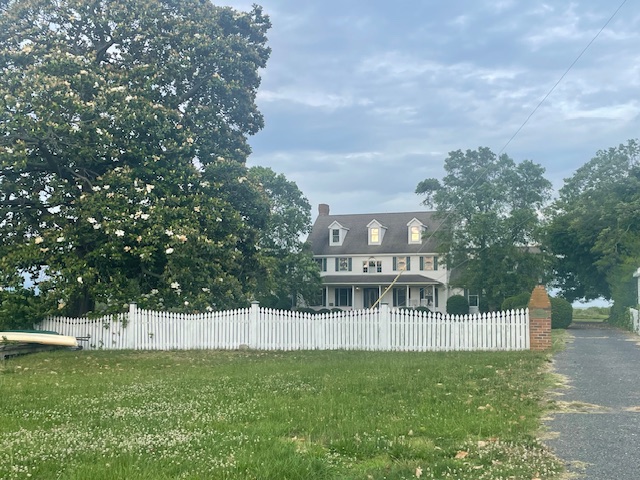
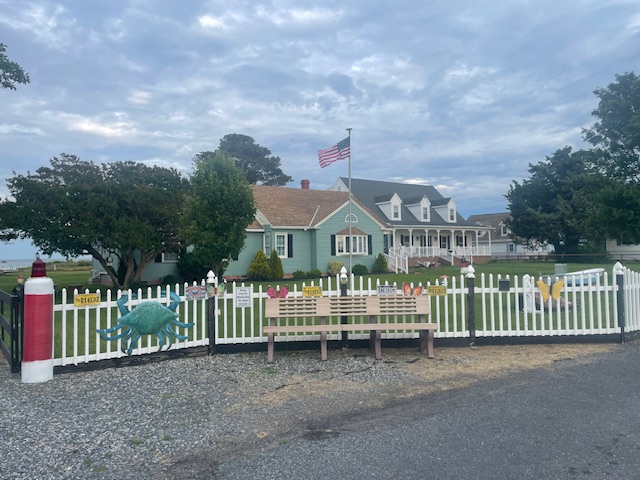
 Tangier Island, Virginia