Scientists Seek Help Documenting Possible Northward Migration
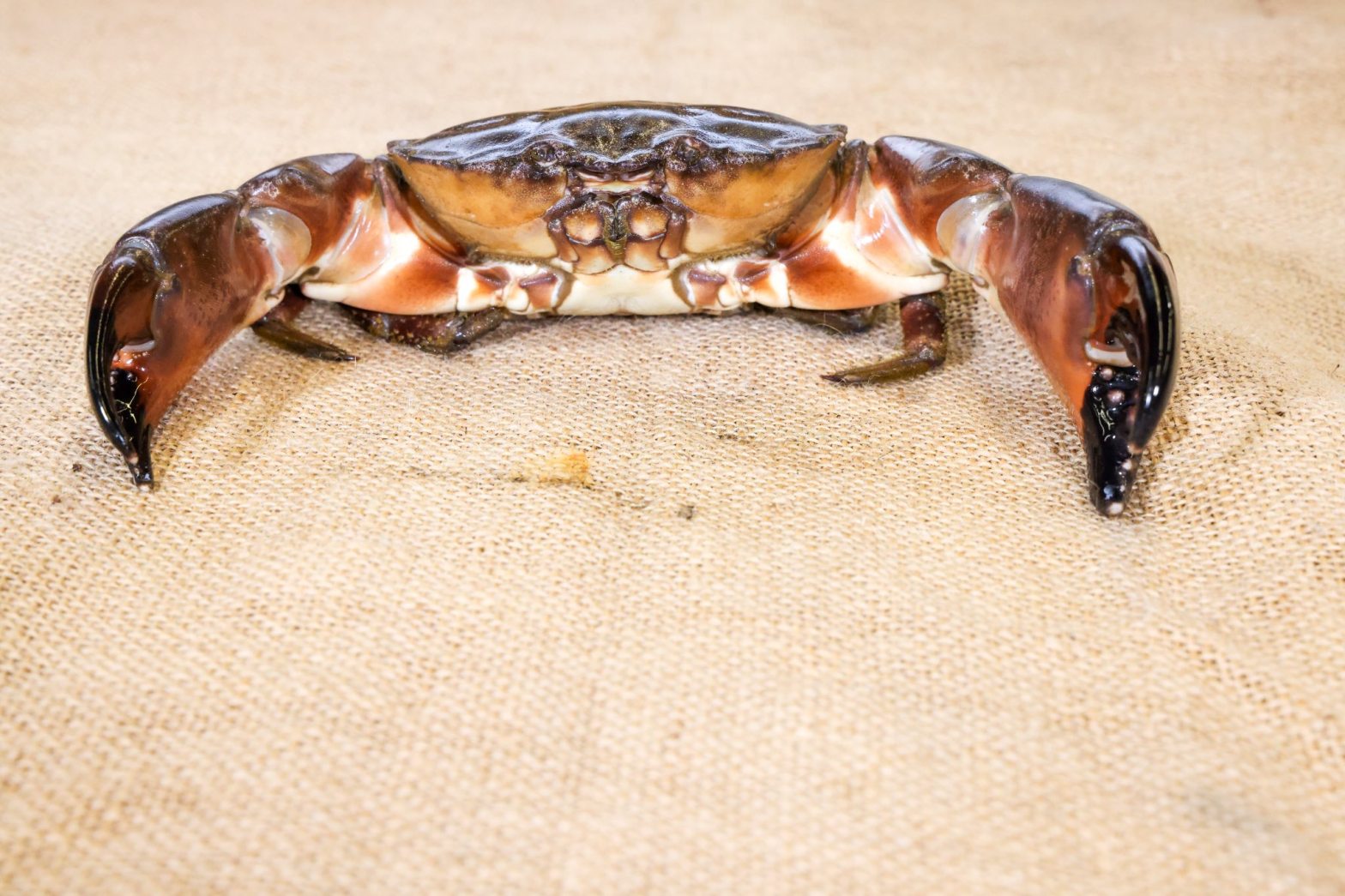
CHESAPEAKE BAY – For the first time in recorded history, stone crabs have been caught in the Chesapeake Bay, marking what marine scientists believe could be evidence of the species’ expanding range.
Professor Rom Lipcius of the Virginia Institute of Marine Science and Batten School is currently studying four stone crabs recently caught by local watermen in Virginia waters. The discovery represents a significant shift for a species traditionally found in the warm southern waters of Florida, with previous northern sightings extending only as far as North Carolina.
“This is a remarkable finding that could indicate these crabs are migrating northward as warming waters create new suitable habitat,” Lipcius said in a Facebook post. The professor is now seeking assistance from the commercial crabbing community to help document the presence of stone crabs throughout Virginia waters.
Stone crabs are not considered an invasive species, but rather appear to be following warming ocean currents into previously unsuitable northern habitats. This type of range expansion has been observed in other marine species as climate change affects water temperatures in the Chesapeake Bay region.

Identifying Stone Crabs
Watermen and recreational crabbers should be aware that juvenile stone crabs can resemble the more familiar mud crabs found throughout the Bay. However, several key differences distinguish the two species:
Size: Mud crabs typically grow to only 2.5 inches across their shell, while stone crabs can reach up to 6.5 inches, making them significantly larger.
Leg markings: Stone crabs display distinctive pale horizontal stripes across their legs, which mud crabs lack.
Claw characteristics: The most notable difference is in their claws—stone crabs have prominent black tips on their claws, while mud crabs have black fingers that fade to white at the base.
Community Science Effort
Lipcius is calling on Virginia’s crabbing community to assist in documenting this potential range expansion. Commercial crabbers and anyone legally operating residential crab pots who encounter stone crabs are encouraged to contact the researcher immediately.
“Community participation is essential for understanding the scope of this phenomenon,” Lipcius said. “Watermen are our eyes and ears on the water, and their observations will be crucial for any scientific publication on the expanding range of these crabs.”
The Virginia Institute of Marine Science will arrange pickup of any stone crabs caught in Virginia waters. Those who encounter the species should email Professor Lipcius at rom@vims.edu with details about the location and circumstances of the catch.
This discovery adds to growing evidence of how climate change is reshaping marine ecosystems in the Chesapeake Bay, as species traditionally found in warmer southern waters establish new populations in previously unsuitable northern habitats.
Commercial crabbers and recreational crabbers with legal pots who encounter stone crabs in Virginia waters should contact Professor Rom Lipcius at rom@vims.edu to contribute to ongoing research documentation.
 Tangier Island, Virginia